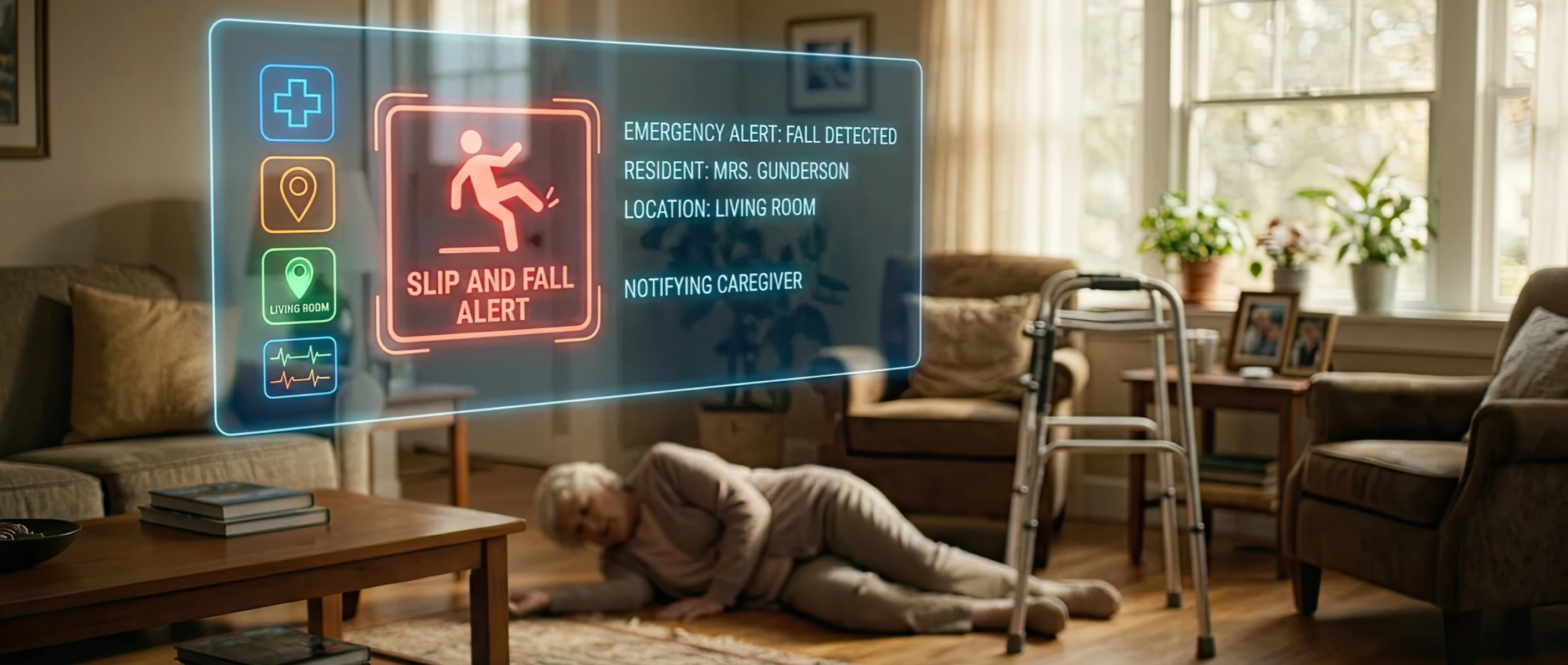
Many adult children find themselves asking whether Mom or Dad is still safe living at home. Changes often occur gradually, making itdifficult to know when additional support is needed.
- Increased Falls or Balance Problems
Holding onto furniture, difficulty standing, fear offalling, or recent falls may indicate a need for support. - Difficulty Managing Medications
Missed doses, medication confusion, or missed refills canput health at risk. - Changes in Personal Hygiene
Declines in bathing, grooming, or clean clothing may signal physical or cognitive challenges. - Weight Loss or Poor Nutrition
Empty refrigerators, spoiled food, or missed meals canindicate difficulty preparing food. - Memory Loss Affecting Daily Life
Missing appointments, repeating questions, or getting lostmay require further evaluation. - Household Tasks Being Neglected
Unopened mail, clutter, unpaid bills, or poor housekeeping can be warning signs. - Frequent Hospital or Emergency Room Visits
Repeated medical crises may indicate more support is needed. - Social Withdrawal or Isolation
Avoiding activities or spending most time alone can affect health and well-being. - Caregiving Is Becoming Overwhelming
Family caregivers may need additional support before burnout occurs. - Your Gut Feeling Something Is Not Right
Trust concerns you have noticed and seek professionalguidance.
What Should You Do Next?
Talk with your parent's physician about home health, therapy services, caregiving support, assisted living, or skilled nursing options.
Navigating your parent’s changing care needs can feel overwhelming, but you don't have to figure it out alone. Reach out to Frontline Management today to speak with a care advisor who can help evaluate your options and find the right support for your family.
November 1, 2026
Consulting
5 Min

Kelly Saracino
Kelly has worked in health care and senior living for over 30 years and in multi-state, multi-site sales marketing and public relations since 1999.